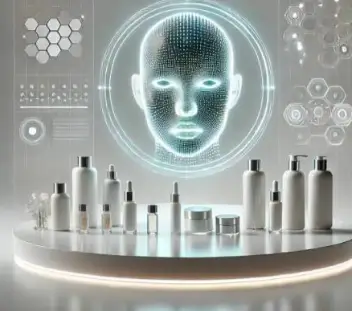

AI analyzes diverse data—skin metrics, tone, lifestyle, and product interactions—to tailor routines and shade suggestions. The approach emphasizes transparent governance, privacy guards, and user autonomy, with model explanations that clarify why choices arise. Real-world workflows convert signals into standardized metrics and verifiable outcomes, enabling scalable accuracy improvements. As ethics and QA ensure responsible, bias-aware personalization, the discussion points to measurable, auditable results that invite ongoing exploration. The next question: what practical steps turn insight into trust?
What AI Actually Does for Personalized Beauty
AI in personalized beauty operates by processing diverse user data—skin measurements, tone preferences, lifestyle factors, and product interactions—to generate individualized recommendations and experiences.
The approach emphasizes data governance, safeguarding privacy while enabling collaboration across platforms.
Model interpretability clarifies why suggestions arise, fostering trust.
Outcomes are experimental yet focused, presenting transparent, user-centric options that honor autonomy and invite informed exploration of routine choices.
How Data Shapes Your Unique Routines and Shade Picks
Data collected from skin metrics, tone, and lifestyle inputs shapes routines and shade selections with measurable specificity. The approach emphasizes transparent analytics, enabling users to explore personalization without surrendering agency.
Data-driven insights reveal patterns, support experimentation, and quantify outcomes. Critical considerations include data privacy and bias mitigation, ensuring equitable recommendations while preserving user freedom and control over who accesses personal signals.
See also: What Is Blockchain Scalability?
Real-World Workflows: From Skin Analysis to Product Recommendations
Real-world workflows in beauty tech begin with a precise skin analysis pipeline that translates visual and tactile signals into standardized metrics, then maps those metrics to tailored product recommendations.
Data-driven observations guide experimentation, validating cross-modal inputs and user feedback.
The workflow emphasizes transparency and actionability, enabling repeatable improvements in skin analysis accuracy and scalable product recommendations for diverse, freedom-seeking audiences.
Navigating Ethics, Privacy, and Quality in AI-Driven Beauty Experiences
In an era where personalized beauty experiences hinge on data-driven insights, navigating ethics, privacy, and quality becomes foundational to user trust and long-term viability.
The analysis emphasizes ethics governance and privacy safeguards as core controls, enabling transparent data handling, bias awareness, and verifiable quality signals.
Users gain autonomy through clear consent, auditable practices, and measurable outcomes, sustaining responsible, freedom-oriented innovation.
Frequently Asked Questions
How Does AI Handle Changing Skin Conditions Over Time?
AI models monitor changing skin via time based trends, updating color science and texture analysis to adapt recommendations; data-driven, user-centric experiments reveal evolving needs, empowering users seeking freedom as algorithms recalibrate skincare, makeup, and routines over continuous observation.
Can AI Personalization Adapt to Budget Constraints?
AI systems can adapt to budget constraints by prioritizing cost-effective treatments, optimizing product usage, and pacing interventions; data shows budget savings emerge when pacing constraints guide personalized plans, enabling flexible, user-centric experimentation within affordable options.
What Role Do Influencers’ Data Play in Recommendations?
Influencer data informs personalized recommendations by highlighting trend signals, engagement patterns, and audience similarity. The approach remains data-driven and user-centric, balancing transparency and experimentation, empowering users seeking freedom while ensuring recommendations reflect authentic influencer-driven insights rather than hype.
How Transparent Are AI Decisions in Product Suggestions?
Transparency of model reasoning varies; some systems reveal decision traces, while others conceal internals. User facing auditability is increasingly prioritized, enabling disclosure of features used and score drivers, though depth remains experimental and context-dependent for freedom-seeking users.
Do AI Insights Consider Regional Cosmetic Ingredient Regulations?
Yes, AI insights consider regional regulations and ingredient sourcing, tailoring recommendations accordingly. The approach remains data-driven, user-centric, and experimental, empowering consumers who crave freedom while transparently aligning formulations with jurisdictional rules and supply chain realities.
Conclusion
AI-powered beauty personalization translates signal into routine, shade, and outcome with measurable precision. By analyzing skin metrics, preferences, and interactions, the approach crafts tailor-made experiences while upholding privacy, transparency, and consent. The workflow transforms data into verifiable improvements, fostering trust through interpretable models and auditable practices. Like a compass guiding a personalized skincare journey, data-driven insights steer choices toward reproducible results, user autonomy, and scalable beauty solutions.